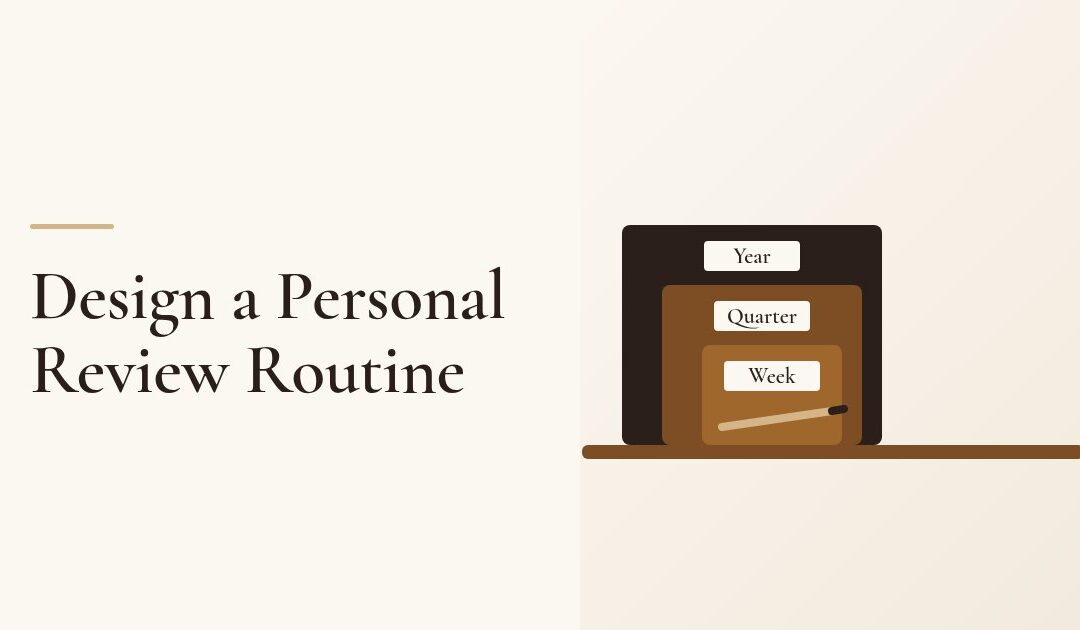
 A personal review routine works when it has three layers running at different speeds: a short weekly review that handles course corrections, a longer quarterly review that reconsiders direction, and a brief annual review that checks whether the direction itself is...
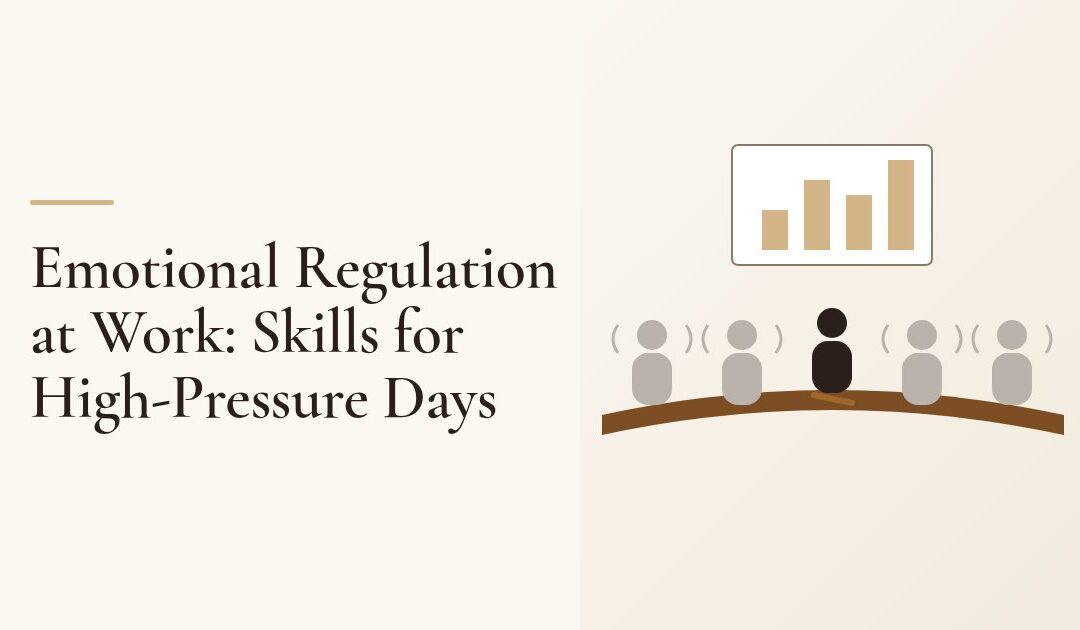 Emotional regulation at work is the skill of noticing a reaction early enough to choose what you do with it. It is not suppression, and it is not pretending to be unbothered. The practical version has three parts: learn your own early warning signals, create a gap...
 Learning how to learn as an adult means replacing the study habits you picked up in school with three that actually produce retention: retrieving information from memory instead of rereading it, spacing your practice across days instead of cramming it into one, and...
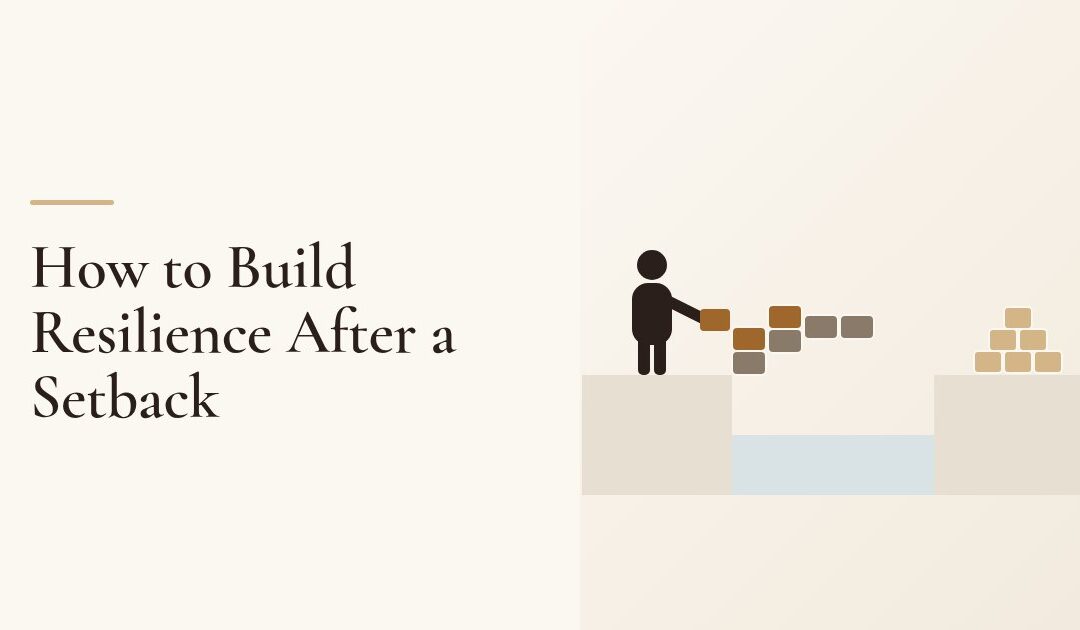 How to build resilience after a setback comes down to four moves, done in order: stabilize your basic routine, separate what actually happened from the story you are telling about it, pull out the one or two transferable lessons, and then rebuild capacity in...
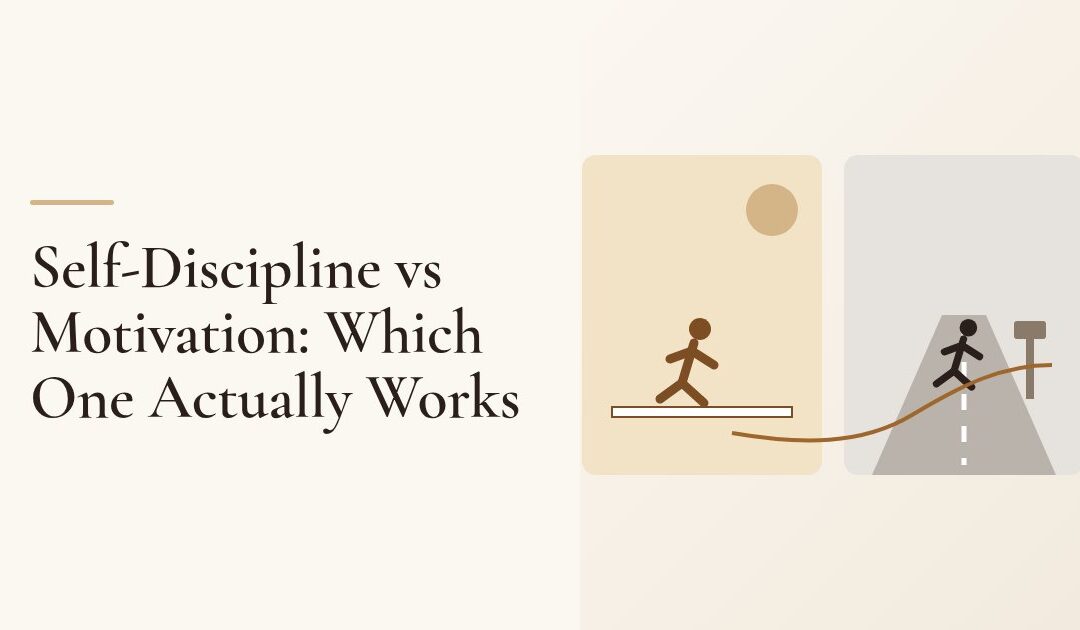 The practical answer to self-discipline vs motivation is this: motivation decides what you start, and self-discipline decides what you finish. Motivation is a feeling that arrives and leaves on its own schedule. Self-discipline is a set of skills and arrangements you...